How to Spend 2 Days in Nikko, Japan
Nikko was my favourite part of my Japan trip, but most people will sell it to you as a day trip from Tokyo. To be fair, it could be a day trip, but a day doesn’t do it justice, and I have a feeling that if you tried to see it that way, you’d be disappointed and feel like you missed out. After all, the UNESCO World Heritage Site shrines and temples are only part of what this region of Japan has to offer. Two days in Nikko, Japan, is perfect, allowing you a mix of the temples, some nearby nature, and a slower pace after the bustling crowds of Tokyo.
For my 2-week Japan itinerary, click here
How to Get to Nikko, Japan
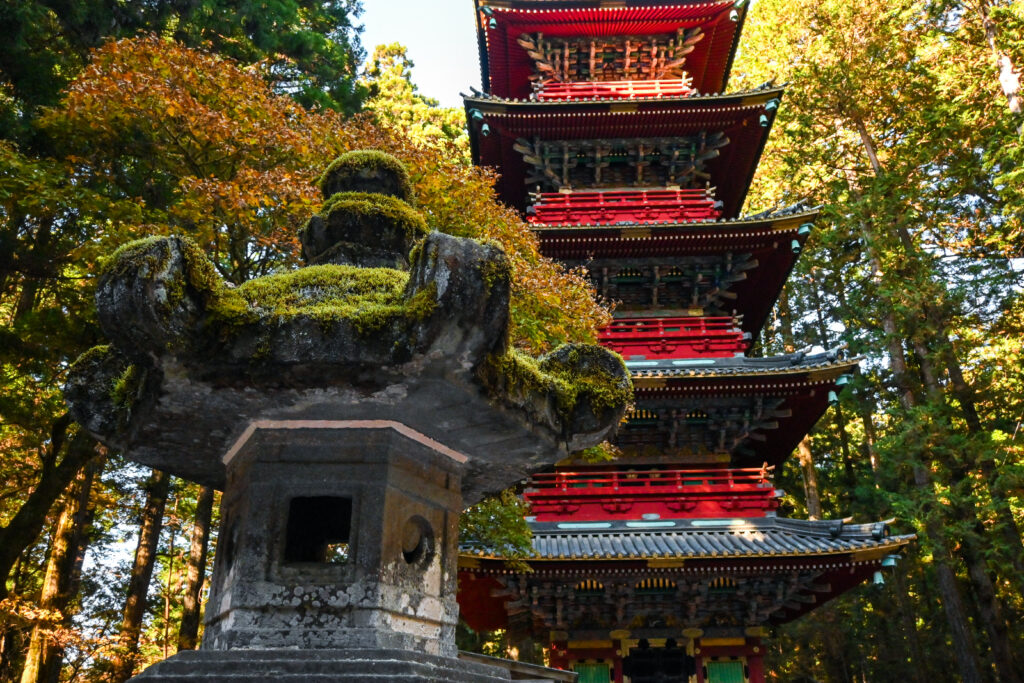
Nikko is only two hours from Tokyo, assuming you take the fast train. There are a couple of options, but the fastest and most direct route is the Tobu Limited Express from Asakusa Station, which will take you to Nikko Station. These are reserved-seat trains so you will need to book a reserved seat online in advance, PLUS you will need a basic ticket either at the station or using your SUICA card. This is true for the return trip as well.
I booked my reserved seats a week in advance online, then just went to the Asakusa station an hour early to book my second ticket. They also had the option of purchasing a Nikko Pass, which includes that second base ticket (to and from Nikko) as well as the bus around Nikko, including to Lake Chuzenji and Kinugawa Onsen. I, personally, did not go this route because I knew I would be walking more than taking the bus, but it’s worth pricing out in advance to see if it’s a good deal for you.
Note that it is important to book those reserved seats in advance, especially if you are trying to get a seat on one of the special trains like the Spacia X. They do sell out, in which case your option will be to take the slower trains that also include a transfer.
Where to Stay in Nikko, Japan
There are a couple of different areas to stay around Nikko, but for ease of travel and getting around, I suggest staying by Nikko Station. Accommodation options here are pretty simple, but it makes it easy to grab the train, jump on a bus from the main station, and there are grocery stores, shops, cafes, and restaurants nearby.
Consider:
• Nikko Station Hotel 2 (this is where I stayed, basic but clean and comfortable and great location)
• Nikko Station Hotel Classic
• Rakuten STAY Nikko Hoden
Nikko isn’t that big, but it is becoming more popular for overnight stays so I absolutely recommend booking in advance. Especially if you are planning on coming on a weekend or during the autumn season, as it is an incredibly popular place to see the leaves change colour.
How to Spend 2 Days in Nikko, Japan
Day 1: Arrive in Nikko and Visit Lake Chuzenji Area
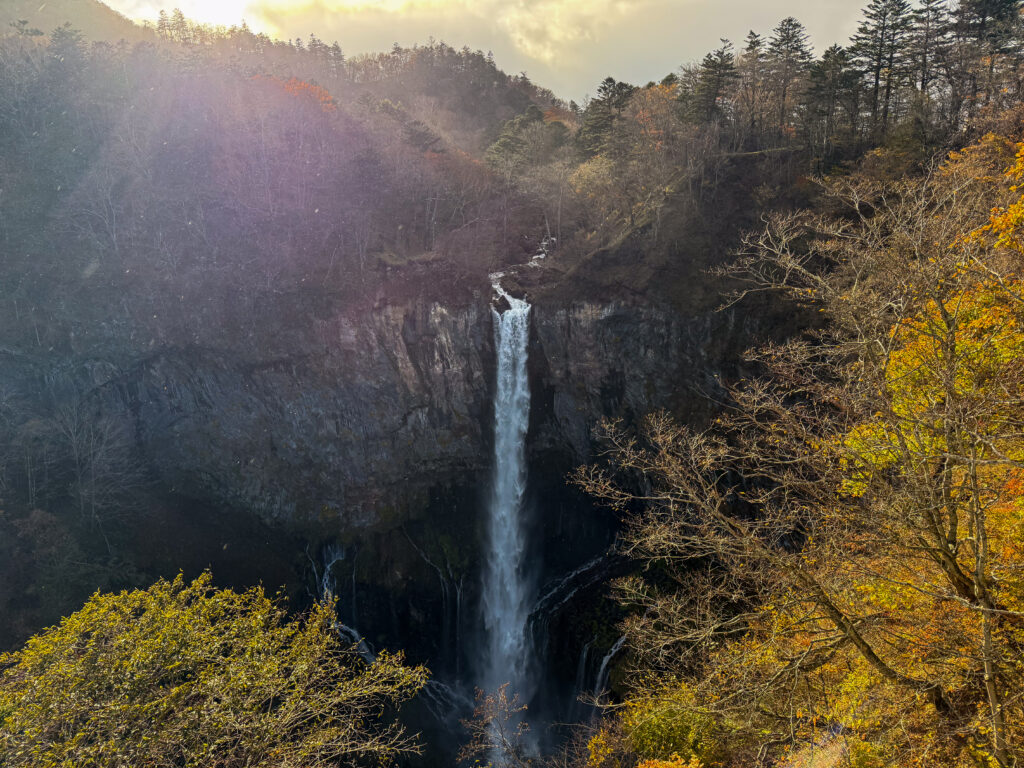
It takes two hours to get to Nikko, so I suggest booking a train early enough to get you to Nikko Station between noon and 1pm (earlier if you are a hiker!). Drop your bags off at your hotel and then take the bus up to Lake Chuzenji.
The bus to Lake Chuzenji takes about 45 minutes from Nikko Station, up a steep winding road. So, try to grab a seat!
Once you reach the top, head to Kegon Falls, which is just five minutes down the road. It’s one of the top three waterfalls in Japan and is free to view from the top. If you would like to see it from the base, you can pay to take an elevator down to the observation deck below.
After Kegon waterfall, you can explore the town and Lakeside area. There are a couple of temples on the shoreline. From April to November, there is a scenic boat trip on the lake, and there is another waterfall, Ryuzu falls, which you can reach by a hike.
There are restaurants up here if you want to grab a meal before you head back to Nikko Station, or you can return to Nikko Station and have dinner there.
Note: Lake Chuzenji is at a much higher altitude than Nikko Station, so keep that in mind when deciding what to wear. I visited in early November, and it was actually snowing when I got to the top. I was NOT prepared!
Day 2: Temples and Shrines
For day 2, I suggest starting early! As I mentioned above, a lot of day trippers come in from Tokyo to see the UNESCO temples and shrines of Nikko and trust me when I say, you are going to want to beat the crowds.
The temples and shrines start to open between 8 and 9am, but going early means you can still enjoy the grounds without the crowds. While likely relaxing at any time of year, I found it especially beautiful when I visited in early November and all the leaves had changed colours. I got some beautiful photos and was able to really enjoy the surroundings.
Shinkyo Bridge
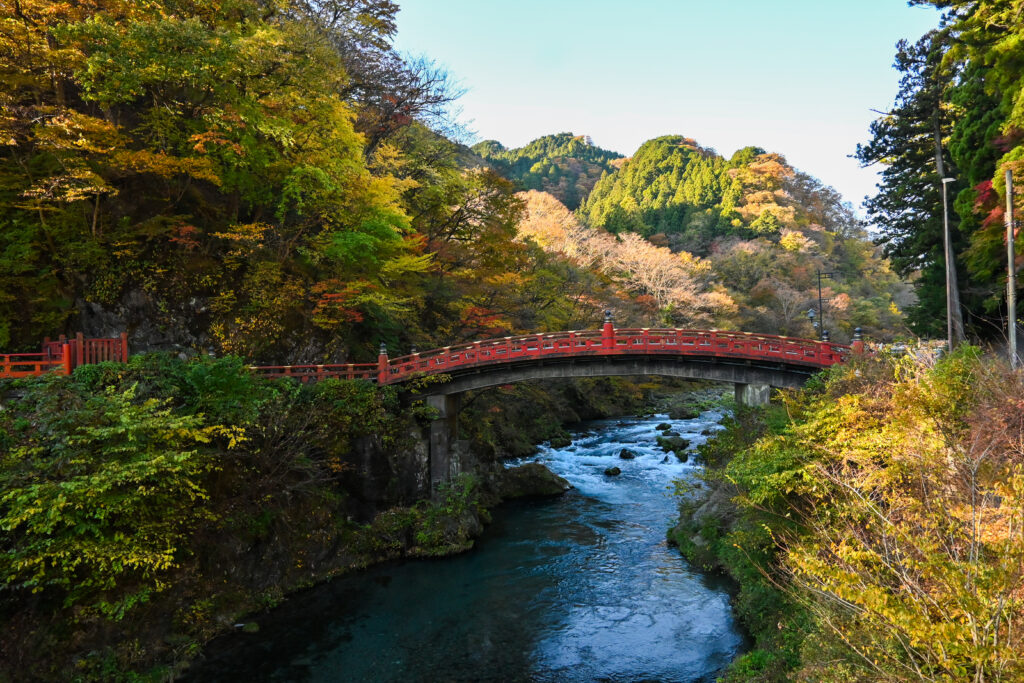
Shinkyo Bridge is a classic Nikko photo spot. Spanning the river it offers a beautiful setting with a backdrop of the mountains behind. These days, you need to pay to cross it, so this early in the morning (before 9 am) you are guaranteed to get a photo of it empty, without anyone crowding it. From there, climb up the stone steps across the road, which will lead you to where the temples and shrines are located.
Rinnoji Temple and Shoyo-en Gardens
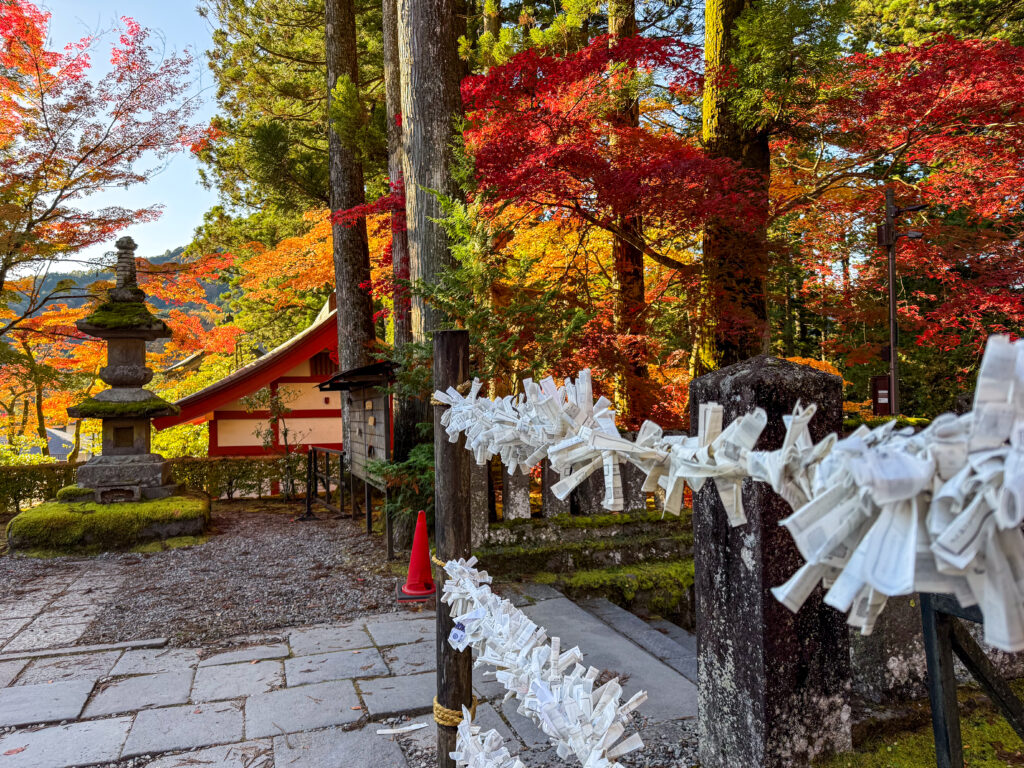
Rinnoji Temple opens at 8am so start there. I ended up stumbling across a Goma fire ritual during my visit, in which the priests burn prayers in a sacred fire to convey wishes to Buddha and burn away any obstacles and bad luck. I had never seen anything like this before, so it was really interesting to watch and experience.
Beside Rinnoji Temple is Shoyo-en, a stunning Japanese garden. If you have time, you can visit now. If not, return later. It’s especially beautiful in the fall with all the red maples.
Toshogu Shrine
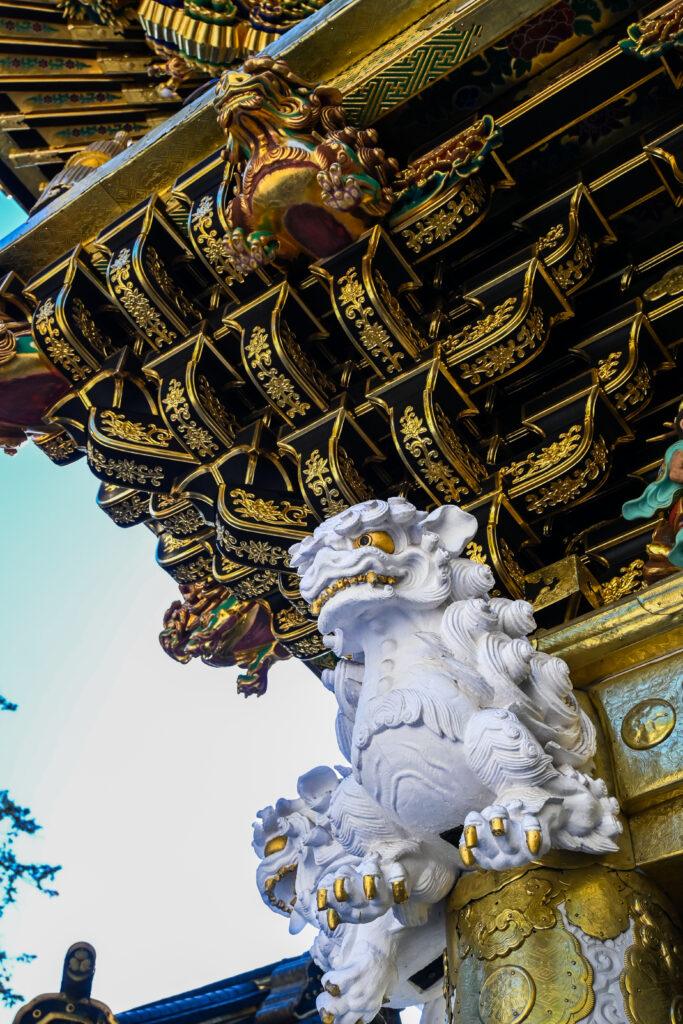
At 9am, Toshogu opens up. You want to be in line a little early if possible because this is the busiest temple in the area and will get more crowded throughout the day as day trippers arrive. Toshogu Shrine dates back to 1617 and was built in memory of Tokugawa Ieyasu, the founder of the Tokugawa Shogunate, which ruled Japan for more than 250 years.
There is a lot to see at Toshogu shrine, so take your time because part of what makes this shrine so special is all the detail. The wooden carvings of the Three Wise Monkeys (see no evil, speak no evil, see no evil) can be found here. The Yomeimom Gate, which is often referred to as the most ornate structure in Japan, has an incredible amount of detail, and of course the famous Nemurineko or sleeping cat that guards Tokugawa Ieyasu’s mausoleum.
The mausoleum can be visited as well, but it’s a climb of over 200 stairs through the cedar forest to get to the top. It’s not nearly as impressive as the rest of the areas of the shrine in terms of ornateness or grandeur, but if you don’t mind the climb, it’s worth a visit. Up here you will find the wishing tree and special sleeping cat good luck charms unique to this shrine.
Futarasan-Jinja Shrine
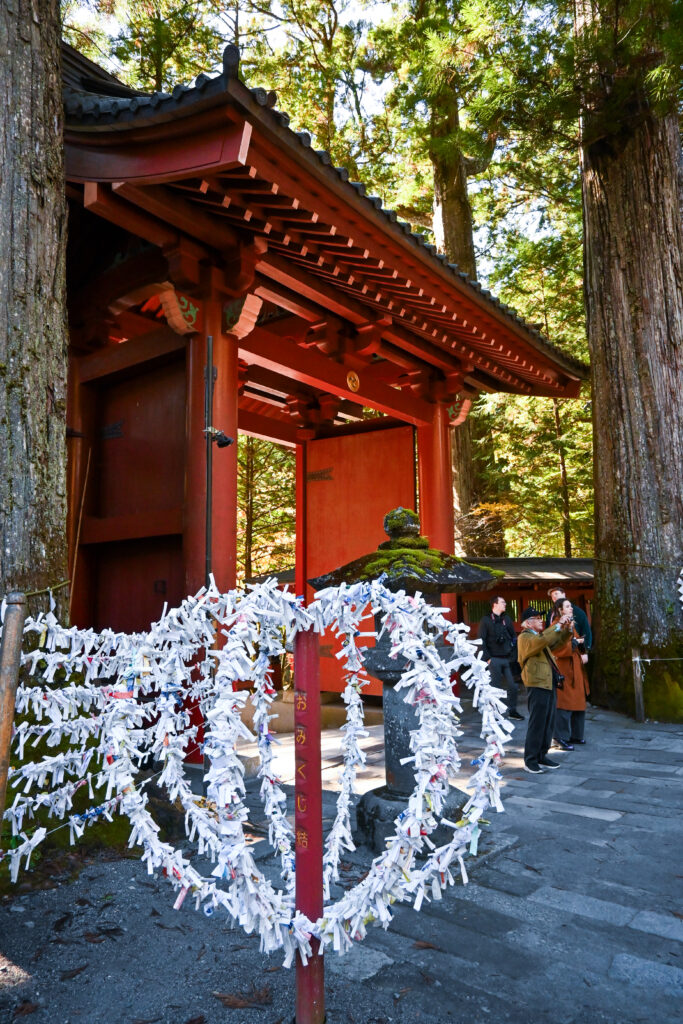
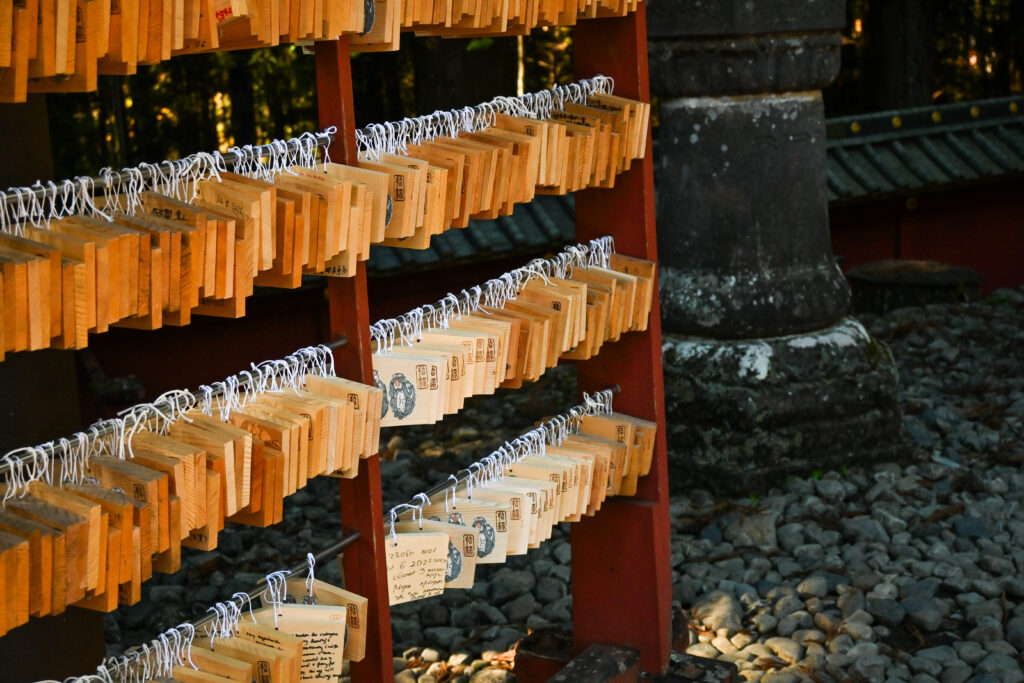
Futarasan Jinja is dedicated to the deities of Nikko’s three most sacred mountains but is best known among visitors as the temple of love and relationships. Many people come here to pray for good luck, fertility, and happiness in marriage. A highlight here is the gold rabbit statue holding a blue lapis lazuli orb. It symbolizes good fortune, success, and auspicious relationships.
Most of the temple grounds are free to explore, but there are a couple of areas that you need to pay to access.
Taiyuin Temple
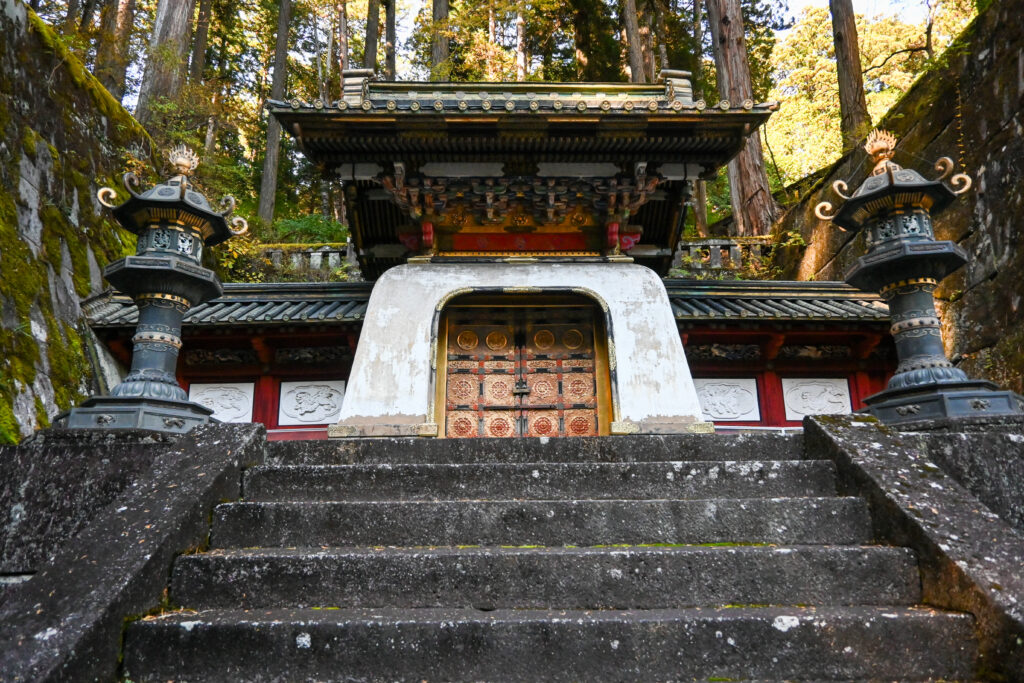
Taiyuin temple has a mic of buddhist and Shinto structures and is the mausoleum of Tokugaya Iemitsu, who is the grandson of Tokugawa Ieyasye (buried at Toshugo Shrine). This shrine is considered to be more modest, but with its dark black and striking gold details, it’s still stunning. It’s also much quieter than the surrounding temples, and its location among all the cedar trees is very peaceful.
The prayer hall is especially impressive and there is someone there who explains all the treasures held inside. Unfortunately, the explanation is only in Japanese, and while I tried to use Google translate to give me the details, the connection was too weak inside the building. I suggest doing a bit of advance research and reading so you know what you are looking at when you visit.
Lunch
You can easily spend an hour in each of these temples, so by the time you finish, it will be lunchtime. As you leave, you’ll also notice the crowds have gotten much busier, and you will be grateful for starting early!
Near where you entered by the stone steps, there is a cute spot called Hongu Café that has coffee, snacks, and a simple lunch menu. It’s a good place to stop for a break and something to eat or drink.
Kanmangafuchi Abyss
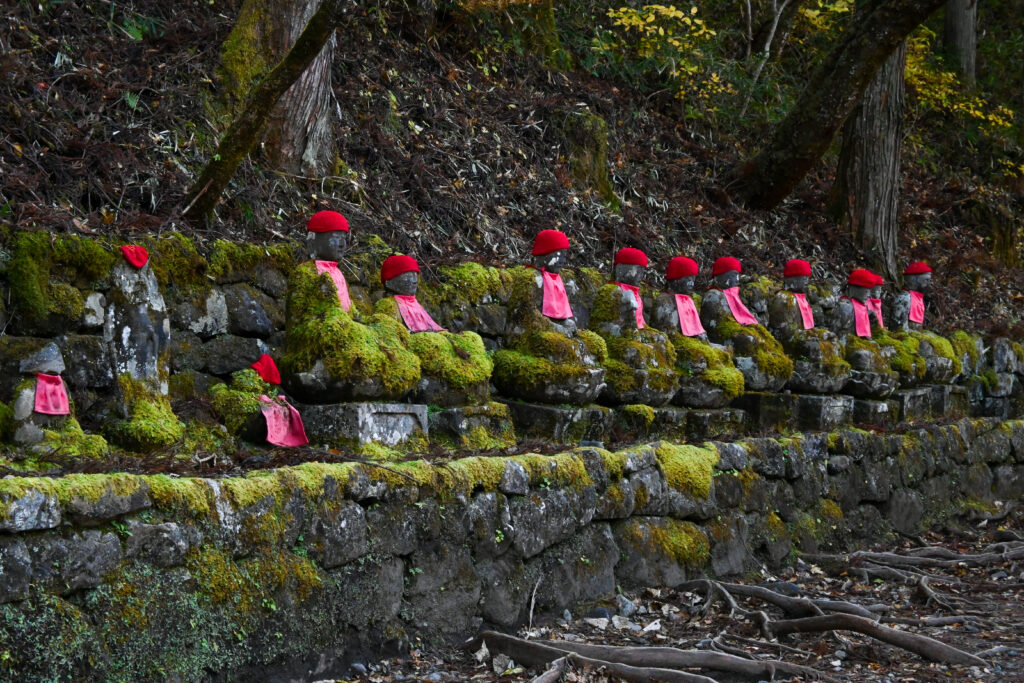
After lunch, head away from town and follow the river to Kanmangafuchi Abyss. It’s about 30 minutes on foot, but it’s a beautiful walk, and there are a couple of cafes and snack stops along the way if you need a break.
Kanmangafuchi Abyss is a small gorge that was formed by a volcanic eruption. Today, it is best known for the Jizo statues which look out across the winter. These stone statues are dressed in red knit caps and bibs, and legend says that you cannot count them; the number changes every time. It’s a really peaceful and pretty area and worth the extra walk to explore.
Shops & Cafes
On the way back, you can spend your afternoon checking out the different shops and cafes of Nikko.
Nikko is known for wood carvings, so you will find lots of wooden souvenirs here. Of course, there is also local sake and food, many of which can be purchased pre-packaged to take home as a souvenir.
A very unique find in Nikko is single stroke dragon artwork. There is a family-run business in Nikko that specializes in this. Paintings do take about two hours, so make sure you leave yourself enough time.
Food and Drink in Nikko
Nikko is known for yuba, which is tofu skin. There are several types of variations that are found all over town.
If it’s a warmer day, Kakigori shaved ice is a popular choice. The water is meant to be very pure, making it a special Nikko treat. There are typical Japanese flavours like matcha or red bean, but also classics like strawberry. When it comes to sweets, there are a couple of viral spots that sell Nikko pudding and Nikko custard tarts. Keep in mind, lines might be a bit long.
As for drinks, Nikko has its own sake and craft beer. The cedar forests play a big role in the alcohol production, which leads to some interesting flavours. I tried a Nikko cedar whiskey highball in a can from the grocery store, and it was actually quite tasty!
Final Tips for Nikko, Japan
• Many spots in Nikko are cash only, so make sure to stop by an ATM before you visit.
• English is not as widely spoken here as in major cities, so you may need to use Google Translate.
• Public bathrooms here seem to be mostly squat toilets.
• It is a popular spot, especially with Japanese tourists, so book accommodation and reserve train seats in advance.
• If there is a restaurant you want to dine at, make reservations in advance.
• I found buses in Nikko to be a bit confusing; Google maps was not super helpful as the buses didn’t seem to have numbers and everything was in Japanese. There are station attendants at the main station who speak English and can help, or ask someone else in line.
• A lot of things close early, around 4-5pm. So keep that in mind when planning your time!
I adored Nikko, I found it to be the perfect mix of nature and history and I really enjoyed my time here. For me, trying to fit it all into a day would be way too rushed, so I highly recommending spending two days in Nikko.