2 Weeks in Japan: A Realistic Itinerary for First Timers
Japan has been one of the biggest ‘it’ destination for several years now. Everyone who goes loves it, wants to return, and has nothing but good things to say. So, you can imagine how surprised I was when I landed in Kyoto expecting Japan to become my new favourite destination, only to end up thinking I has made a mistake.
I didn’t love Japan at first. In fact, for my first few days, I didn’t even like it. It was too crowded, too hectic, too unfriendly. Kyoto was nothing like what all the travel influencers showed me online, and I found myself frustrated, unimpressed, and lonely.
But then I stopped treating my Japan trip like a check-list. I slowed down, I stopped feeling guilty for ‘missing out’ on the ‘must -see’ places and took my time discovering what appealed to me in the moment. I also ran a group trip here with a local guide who provided a lot of insight and showed us places that went beyond the typical tourist trails. And in the end, I found my version of Japan that I fell in love with.
I had over three weeks to explore Japan, but I know that for many that’s an unrealistic timeline. So, for those who have a couple of weeks in Japan, here’s my suggested 2-week Japan itinerary based on the places I loved and the mistakes I made.
Arriving in Tokyo
Tokyo has two airports, Haneda, which is closest to the city, and Narita, which is a bit further out. Taxis are available but are quite expensive so I highly recommend you use the public transit options.
From Narita, there are two airport train options. The Keisei Skyliner and the JR Narita Express. Both run pretty regularly, but the best one to take will depend on where you are staying in the city. You can also check with your hotel and see if they are on the route for the airplane limousine bus, which does direct drop offs to hotels (although, the route has multiple hotels along the way, so it may be longer). All of these options are easy to take with your luggage in comparison to local buses and smaller trains, which discourage big bags and suitcases.
Two-Week Japan Itinerary
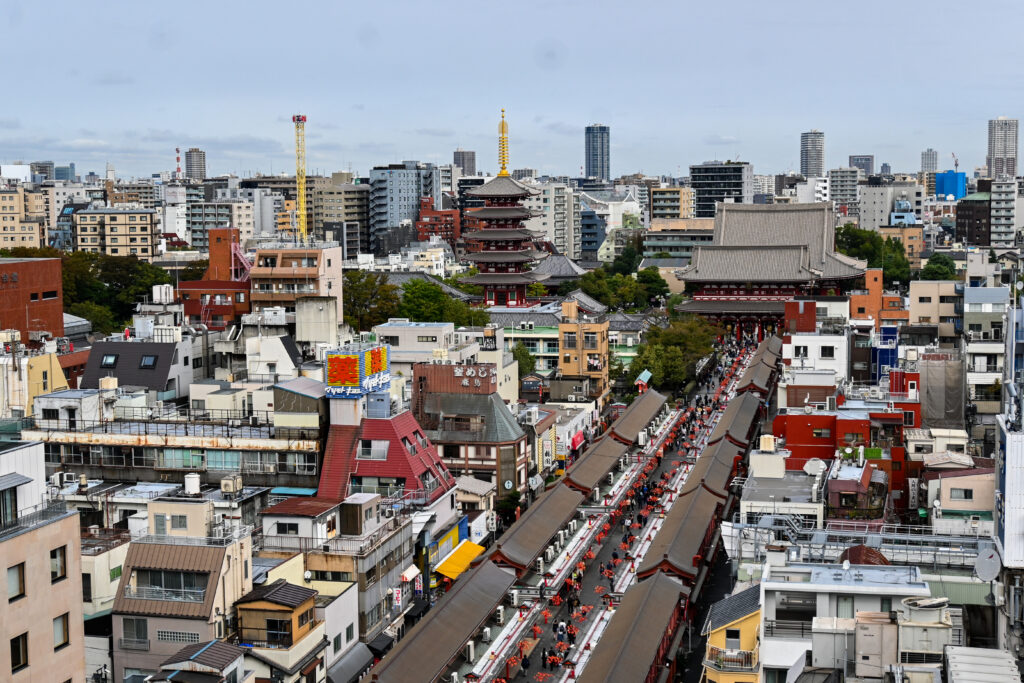
Tokyo: 3 Nights
Welcome to Tokyo! This city is MASSIVE, and many people could easily spend a week here, but Japan has so much to offer, so I suggest just a couple of days. Choosing where to stay in the city is important based on what you want to see and do, as you could easily spend an hour or more on the metro getting from one neighbourhood to the other.
My favourite neighbourhood was Asakusa. While busy, I found it charming and easy to get around to the places I was most interested in (it’s also a good base for this itinerary). Some recommendations for accommodations in Asakusa include:
- OMO3 Asakusa
- Sake Bar Hotel Asakusa
- Villa Fontaine Tokyo Ueno– this is about a 20-25 minute walk from Asakusa (or 1 metro stop away) and I stayed here a couple of nights at the end of my trip. Very affordable and friendly and handy if you are flying in or out of Narita Airport.
2 Days Exploring Tokyo
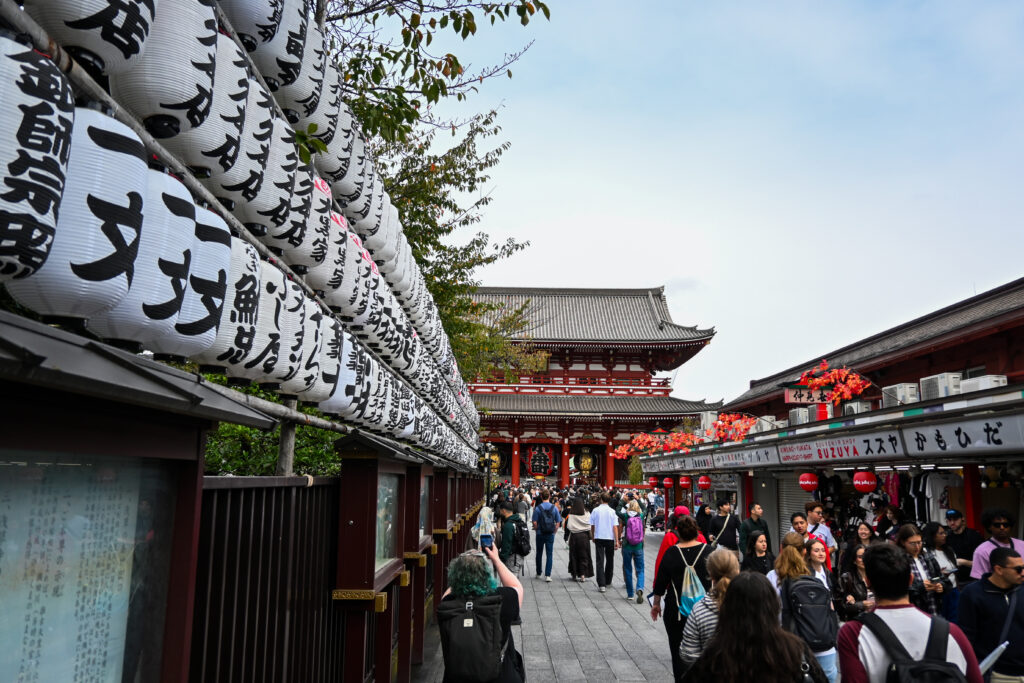
Two days are not going to be enough to see everything in Tokyo, but I also think that it’s important not to spend all your time in the capital, so you’ll have to pick and choose.Personally, I really liked Asakusa. Senso-Ji Temple is cool to explore, though I suggest going earlier before all the shops open and it gets super crowded.
You also have the nearby Kappabashi Street, with all the famous cookware. I wasn’t looking for anything in particular but found some cute chopstick rests, chopsticks, and soy sauce dishes here. Others found matcha cups and even knives.
There are also some interesting cultural things you can do here. We went to a Samurai/Ninja experience, which sounds a little cheesy but was actually very interesting. You can also take part in a tea ceremony or check out a sumo show.
Shibuya is incredibly popular as a nighttime destination thanks to all the neon lights and, of course, the chaotic Shibuya crossing. I was told about a delicious Katsu chicken restaurant here called Torikatsu Chicken. It’s a bit tucked away but worth finding. Was very delicious and quite affordable. There are also some fun whiskey bars in the area for those who are interested in Japanese whiskey. We went to Bar Baron.
Another neighbourhood worth checking out Ginza, which is known for shopping (Itoya is amazing for creatives and those who love stationary) and while I didn’t make it to Shibuya Sky but I did go to Tokyo Tower. The weather when I visited wasn’t great, but the views were fantastic.
Take some time to narrow down your key interests in Tokyo and plan by neighbourhood. It’s super spread out so you want to make sure you maximize your time.
Day Trip to Yokohama
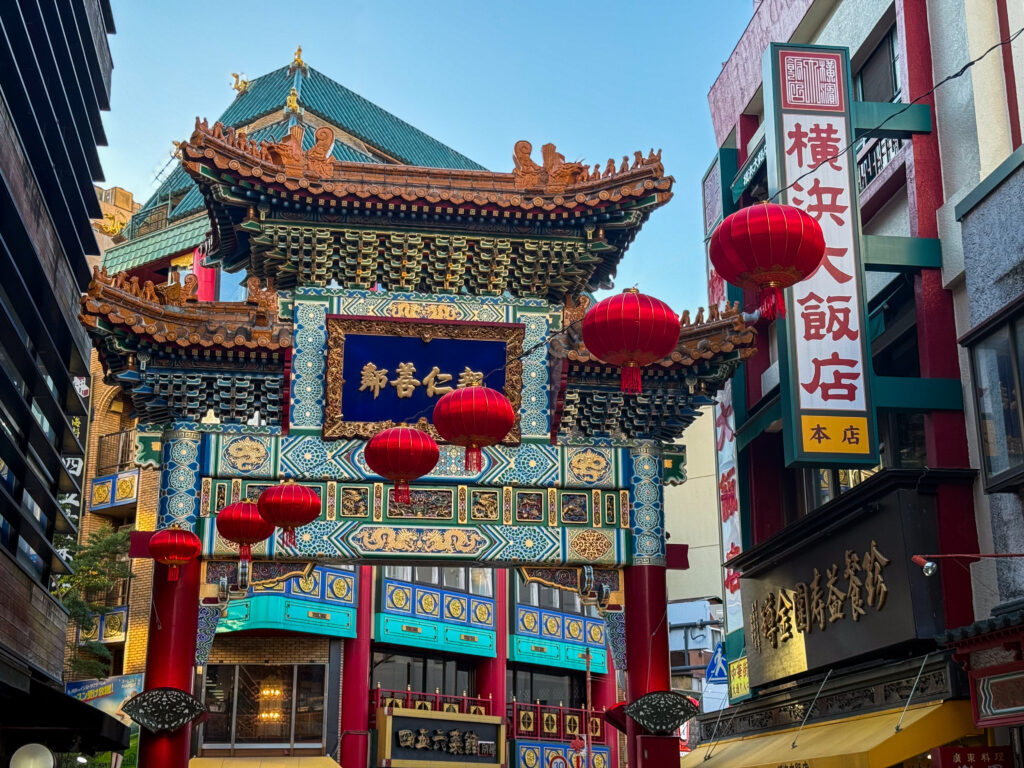
There are several popular day trips from Tokyo, and Yokohama is not usually listed as one of them. However, I loved it and would recommend it. It will be about 40 minutes by local train. Despite being the second largest city in Japan, you will immediately notice how quiet and relaxed it is after the hectic crowds of Tokyo. Yokohama feels quiet, more local, and there are significantly fewer tourists here, but still lots to do to fill your day and get you back to Tokyo for your last night.
I have a guide to a day trip to Yokohama here with a breakdown of how to best spend your day, including where to eat and how to get some unique Mount Fuji views (assuming the weather is cooperating!). Check out my day trip to Yokohama guide here.
Yudanaka: 1 Night
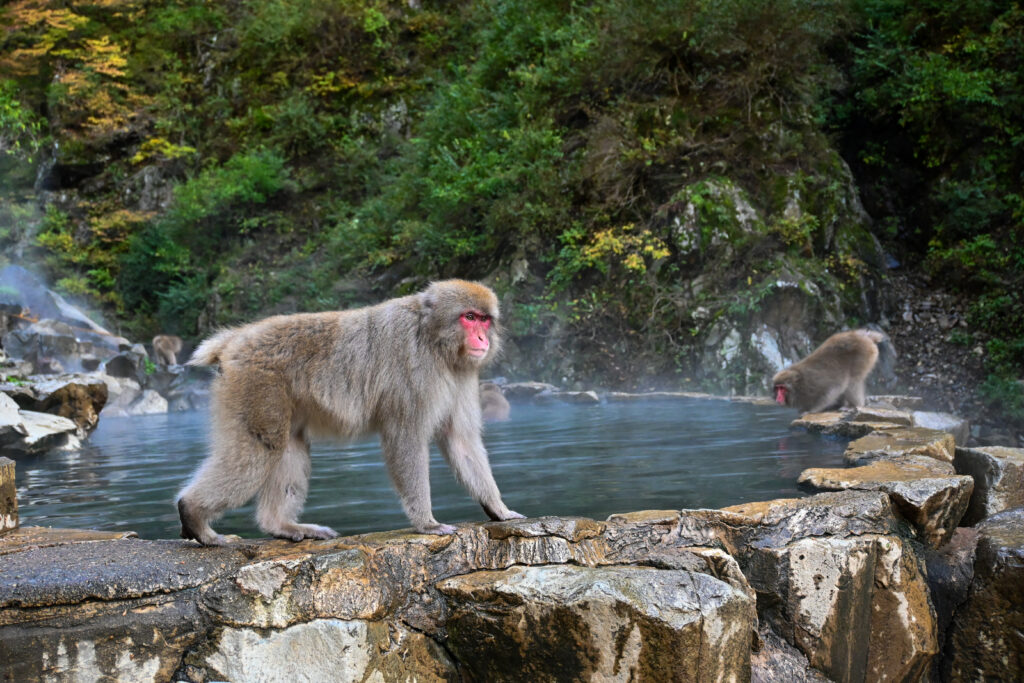
Yudanaka is home to Japan’s famous snow monkeys, and while it’s a bit of a journey from Tokyo, it is a beautiful one and spending a day in a quieter onsen town for a night is well worth it in my opinion.
For suggestions on where to stay in Yudanaka, take a look at
I recommend shipping your suitcase ahead to Kanazawa and just packing an overnight bag. It’s much easier. Most hotels will ship for you. If not, look for a local Yamoto office. For my checked suitcase, it typically cost around $20USD for me to send my bag ahead.
From Tokyo, take a morning train to Nagano; the journey is about 1.5 hours. From Nagano, you will then switch to the Nagano Dentetsu line which will take you to Yudanaka in about 45 minutes if you take the limited express. This was a beautiful journey, so definitely get a window seat; it’s worth reserving in advance!
You will take the train all the way to the end, where you can then hop on a local bus to where the Snow Monkeys are (if you have luggage with you, there is a storage option at the tourism office across from Yudanaka train station).
The bus will drop you off at the closest station, from here it’s about 500 meters uphill to the start of the trail. The trail is pretty flat though, and takes about 30 minutes to walk before you reach the entrance to where to the snow monkeys are. There’s a steep path or stairs to the ticket office and then you can spend as much time with the monkeys as you like.
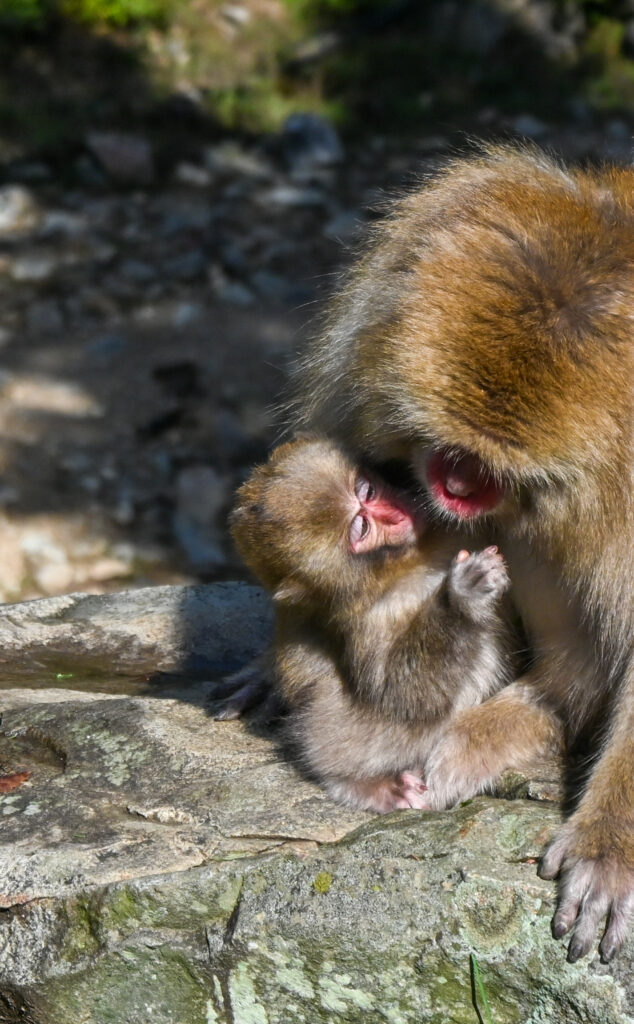
When you are done, head back to the bus stop. Bus to the train station for your bags and check into your hotel for the night. If you can, choose a spot with an onsen. But there is also a local onsen by the train station to use as well. This is a hot spring town, so make use of it!
*Note: The Snow Monkeys are never guaranteed and they are most likely to be seen in the winter months. I was lucky and saw them in October, at the end of the month. If you are travelling during the warmer months, you may choose to spend another day in Tokyo instead. If you are visiting during peak season, pre-book your tickets to see the monkeys!
Kanazawa: 2 Nights
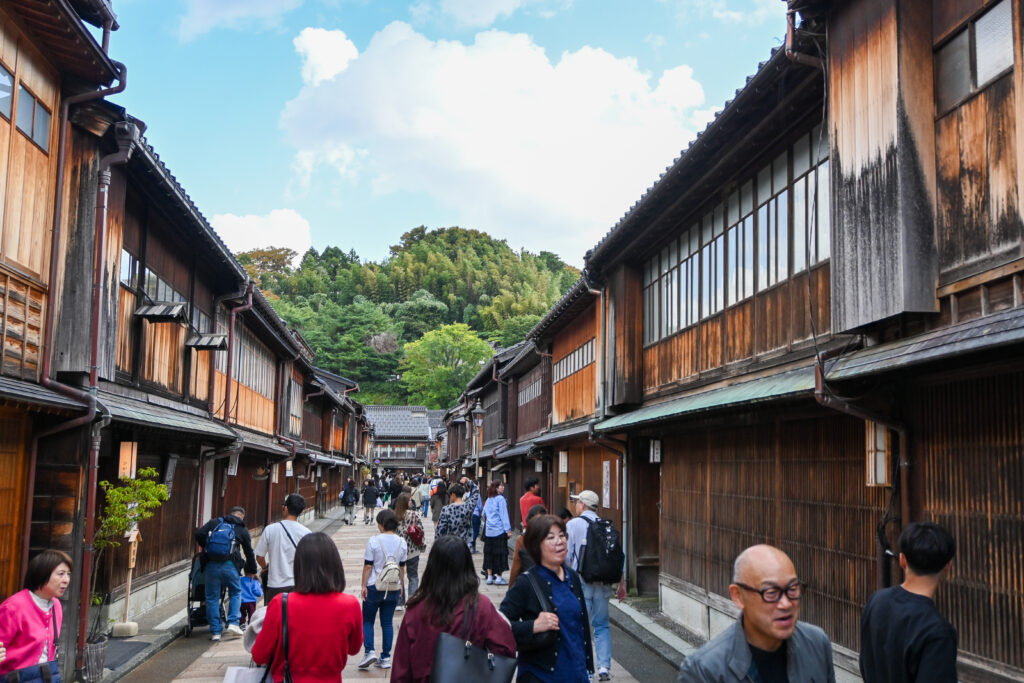
Kanazawa is a really cool city with a history steeped in Samurai and Geisha culture, but without the mass crowds that you find in Kyoto. Enjoy your morning in Yudanaka and then head back to the station to take the train to Nagano. Switch to a train to Kanazawa, which will take about 1 hour on the Shinkansen.
Kanazawa is small and easy to get around on foot and by bus, so I recommend staying close to the train station as it’s easier once you have your luggage again. I suggest KOKO Kanzawa which is where I stayed.
Drop off your bags at your hotel and get exploring. If you plan on using the bus, note that one of the lines does not accept the Suica card, but you can get a day pass in the office.
For the afternoon, I suggest heading to the Higashi Chaya District. This was once the biggest geisha district in Kanazawa, but today, only a couple of teahouses are still in operation. Today this area is mainly shops and restaurants but it’s beautiful to wander around, take photos, and grab a meal.
Note: There are still active Geisha in Kanazawa, but chances are you will not see them. There are some programs in the city open to tourists, so do some research in advance and book quickly if this is something you would like to do.
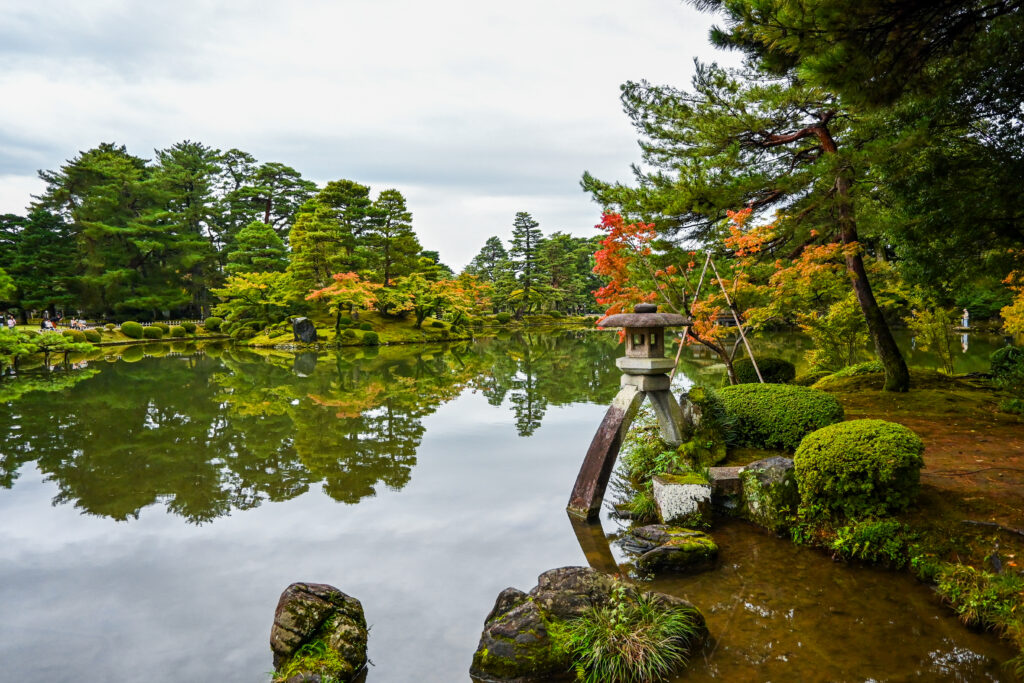
For your second day in Kanawa, be sure to explore Kenrokuen Gardens, which is considered one of the most beautiful gardens in Japan (even in winter) and the nearby Kanazawa castle. There are also some fun shopping streets in this area. Kanazawa is known for gold leaf products (including on ice cream), ceramics, and lacquerware. Feeling crafty? You can even do a gold-leaf workshop and make a souvenir to bring home.
Another spot not to miss is the Samurai District. It’s quite small, and many of the homes are now private homes (although there are a couple of shops) but the architecture is interesting so it’s worth a walk around. Combine a visit here with a stop at the nearby Omaya Shrine, which has beautiful gardens.
Foodies will love Oumicho Market. Kanazawa is known for its fresh seafood, so there is lots on display. You can also book a food tour with tastings here, or even a sushi-making class.
Kyoto: 2 Nights
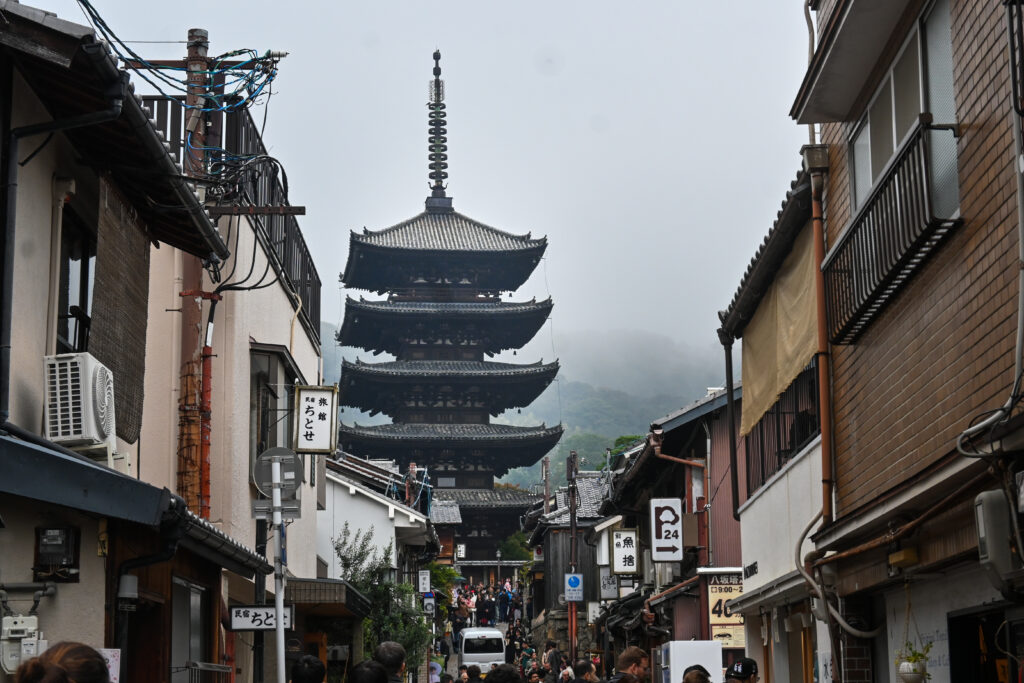
Kyoto is one of the most popular cities in Japan, so you might be wondering why I suggest only two nights here. The truth is, I thought I would adore Kyoto, but it ended up being my least favourite spot. It’s too busy, too hectic, too crowded, and I felt it was very unfriendly. And I’m not the only one who thinks that. Even those who have been multiple times in the past say it’s not like it used to be, and it doesn’t feel as genuine and special as it did before.
That’s not to say it’s not worth seeing; it’s beautiful. But I think two days here is enough. I stayed in two different areas and liked both. Around Gion was great for being close to a lot of the attractions I recommend, but being more downtown and closer to Kyoto Station is better for getting around. These are the two places I stayed for you to consider:
You’ll have to take two trains to get from Kanazawa to Kyoto, but it’s only a couple of hours. Upon arriving in Kyoto, I recommend dropping your bags and heading to Arashiyama. This is where you will find the bamboo forest as well as the Tenryu-ji temple. Both are beautiful; both are also very crowded, so consider yourself warned.
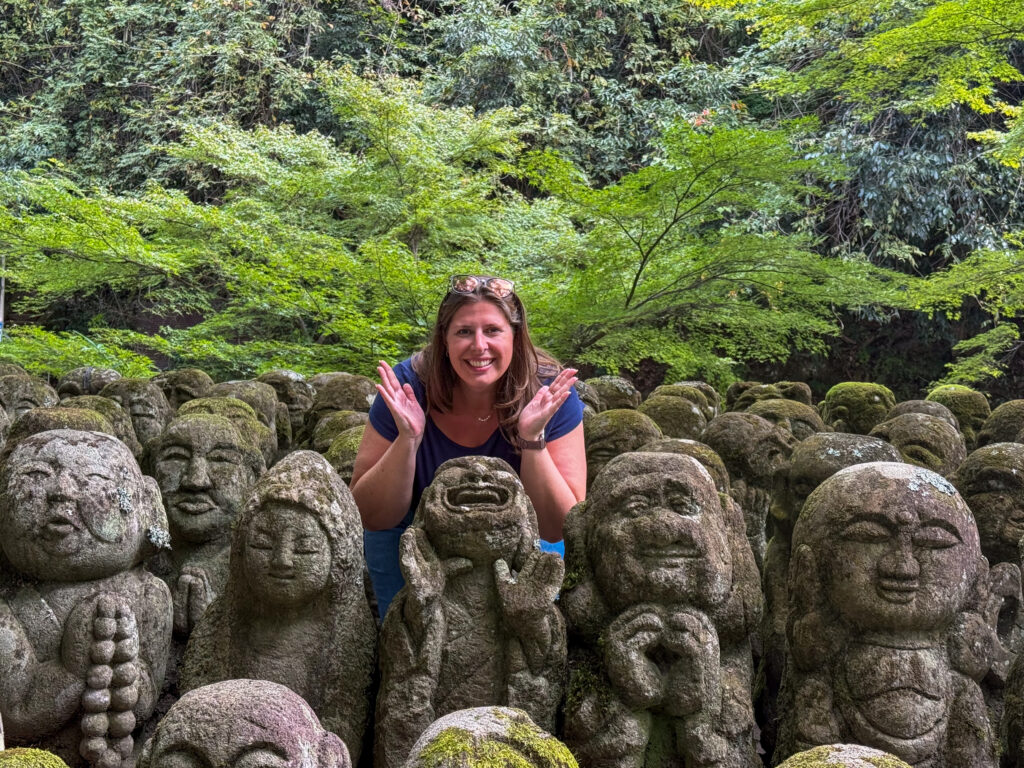
About a fifteen-minute local bus ride up the road you will also find Otagi Nenbutsu-ji. This was my favourite temple, and while not unknown, it was significantly quieter than the other popular temples in Kyoto. This temple is known for its thousands of hand-carved statues all with different faces, and in my opinion, is absolutely worth a visit.
Despite the natural attractions, Arashiyama also has tons of shops, cafes, and restaurants for you to grab lunch, a snack, or an early dinner if you wish. Just keep in mind that most temples close between 4 and 5pm so plan accordingly.
For the evening, I highly recommend a walking tour of Gion, the main Geisha district of Kyoto. It’s a great way to learn about Geisha and Maiko and see this historic neighbourhood. You might get very lucky and see a Geisha on the way to an appointment, but don’t count on it, and know that photography is forbidden in some areas to help protect them. You can also visit Yasaka Shrine, which is beautiful lit up at night.
For your second day in Kyoto, I recommend heading back to east Kyoto to spend the day.
Start with a tasting food tour at Nishiki Market. This was one of my favourite things I did in Kyoto and Nishiki Market is a lot of fun to explore, so you’ll likely want to hang around for a little while after and explore the shops.
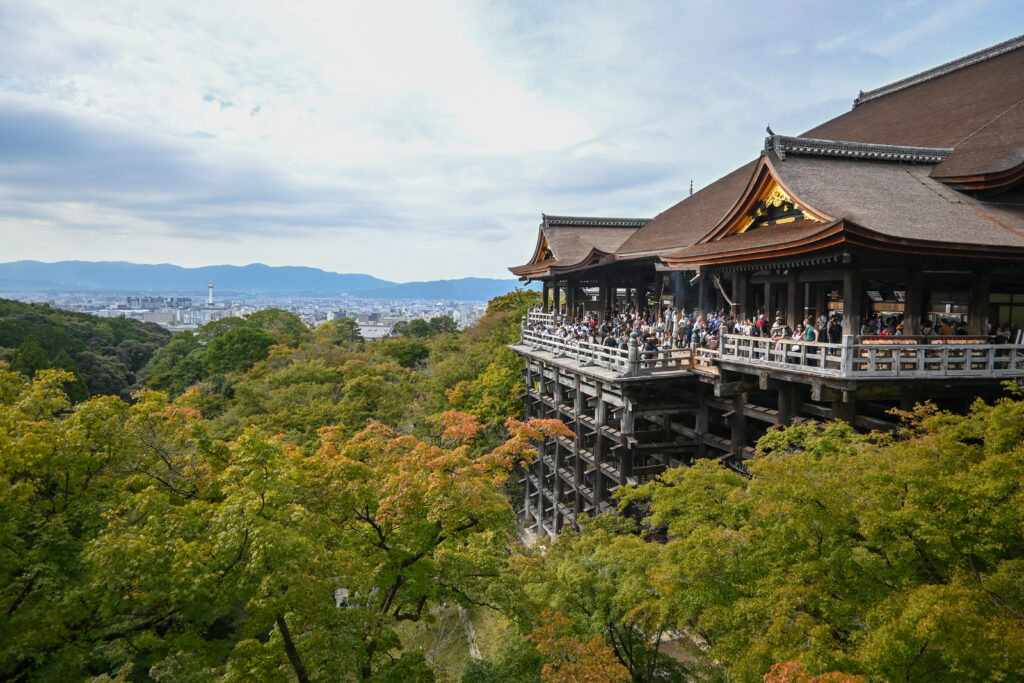
After your market visit, head towards Kiyomizu Dera. Again, another very busy temple, but it is a UNESCO World Heritage site and it is quite impressive. The streets in this area are also beautiful, filled with shops and cafes and picturesque views around every corner. And, of course, plenty of crowds. So, bring your camera (and your patience!).
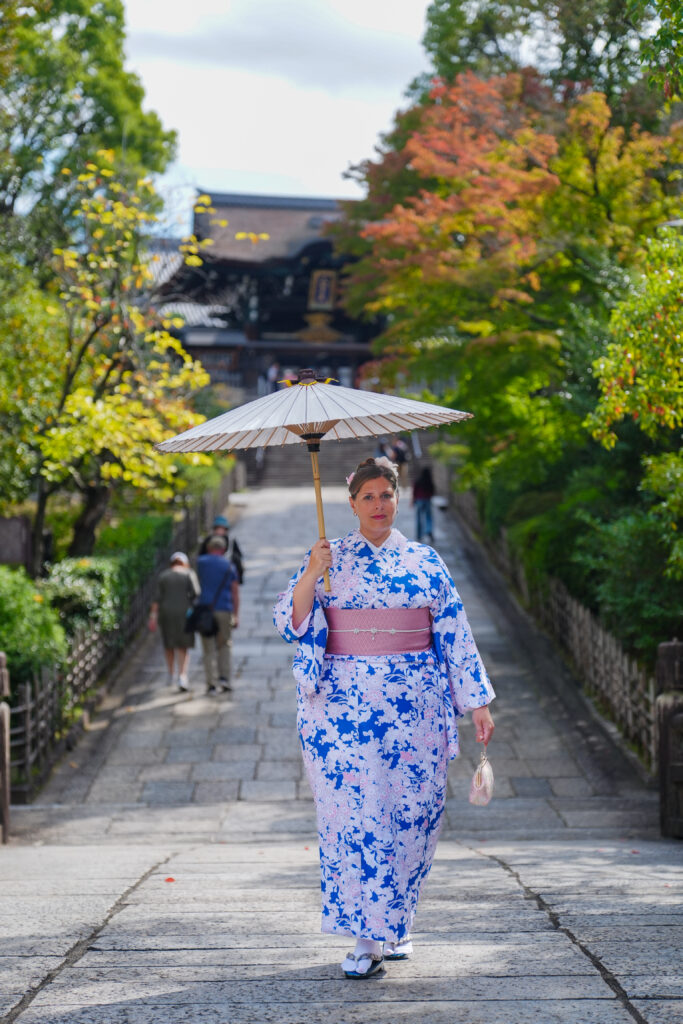
This area is also popular for Kimono photoshoots. If that is on your list of things to do in Japan, I can recommend this activity. I chose the Kimono rental (with plus-size options) and an hour photoshoot. It included getting dressed in a Kimono and having my hair done, and then photos from a local photographer. The women helping me get dressed didn’t speak much English, but they were so sweet, and I loved how my photos turned out. This should be booked in advance, but you can much from several time slots throughout the day.
Finally, wrap up at Fushimi Inari Shrine. It’s open 24/7, but it’s almost always crowded during daytime hours. The secret isn’t to visit a certain time, but rather just keep going up. The higher you go, the fewer the people. I went as far as the lookout (I’ve been told several times it’s not worth going all the way to the top) and had a couple quiet moments for photos with nobody else around.
If you are wondering why I didn’t add a day trip to Nara, I went and found it insanely crowded (yes, even back towards the far temples) and the deer were incredibly aggressive (to the point where there have been record hospitalizations). I got bitten and head-butted several times and, quite honestly, felt bad for many of the deer that also seemed injured or sick (so many eat papers and things they shouldn’t). So, personally, I don’t recommend it.
Hakone: 2 Nights
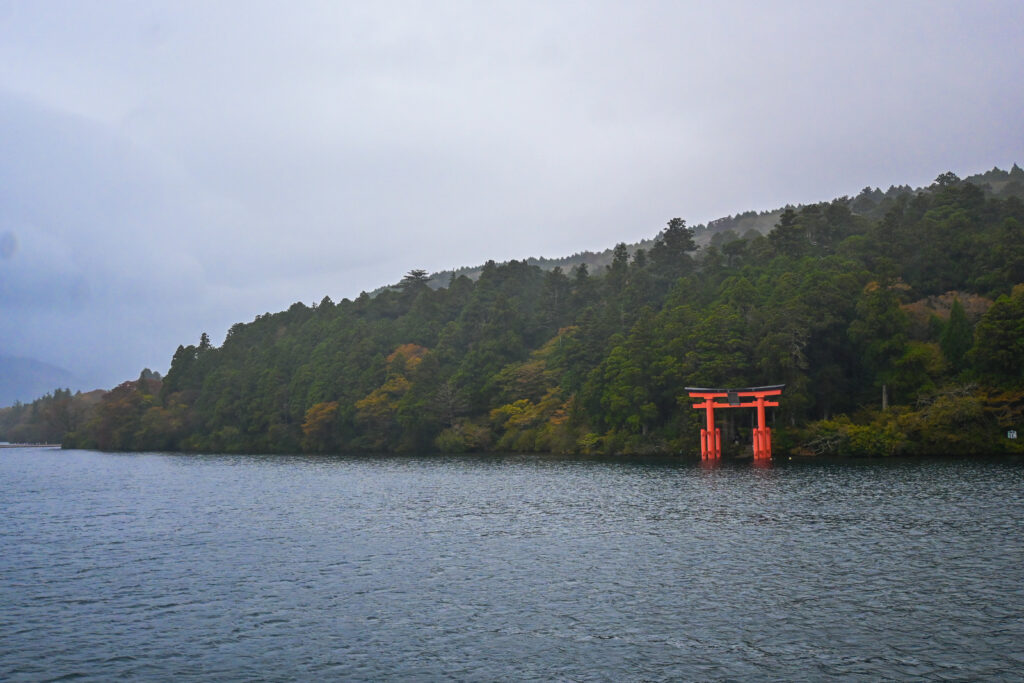
Hakone is often considered a day trip from Tokyo because it’s so close, but it’s definitely worth a couple of nights to enjoy the nature and escape the daytime crowds. Take the train from Kyoto to Odawara (try to get seat “E” to see Mount Fuji) and then transfer to the Hakone Tozen line. The second line is a small train and often very busy, so if you can, ship your luggage ahead and just pack for two nights in Hakone.
The Tozen line will bring you to Hakone-Yumoto. I suggest staying here for convenience.
Make reservations in advance at Youraku for lunch (11:30am-3:30pm) for a delicious sea bream rice feast. Honestly, one of the best meals I had in Japan! Then spend your afternoon exploring the shops of town before checking into your hotel for the evening.
If you are looking for something special, I stayed at Ryokan Hakone Airu, which was incredible with a private onsen and amazing dinners. For something more budget-friendly, Ichinoyu Honkan.
For your full day in Hakone, do the Hakone loop. Most people start by heading up to Gora and taking the Hakone Ropeway, ending with the pirate ship. We did the opposite, starting with the Pirate ship and ending in Gora and noticed that the lines were much shorter this direction. Although hopefully you will have better weather than we did since we got fogged out!
In Gora, there’s an amazing gyoza restaurant called Gyoza Centre, so stop here for a late lunch. You can also visit the Open Air Museum if the weather is nice before heading back to your hotel to enjoy your evening.
Nikko: 2 Nights
You’ll want to leave Hakone early enough because today is a bit of a longer travel journey. You’ll need to head back to Tokyo, and then get to Asakusa Station to get a direct train to Nikko, which is a two hour journey. I suggest booking tickets in advance for Nikko as the fast trains (that don’t require a transfer) fill up.
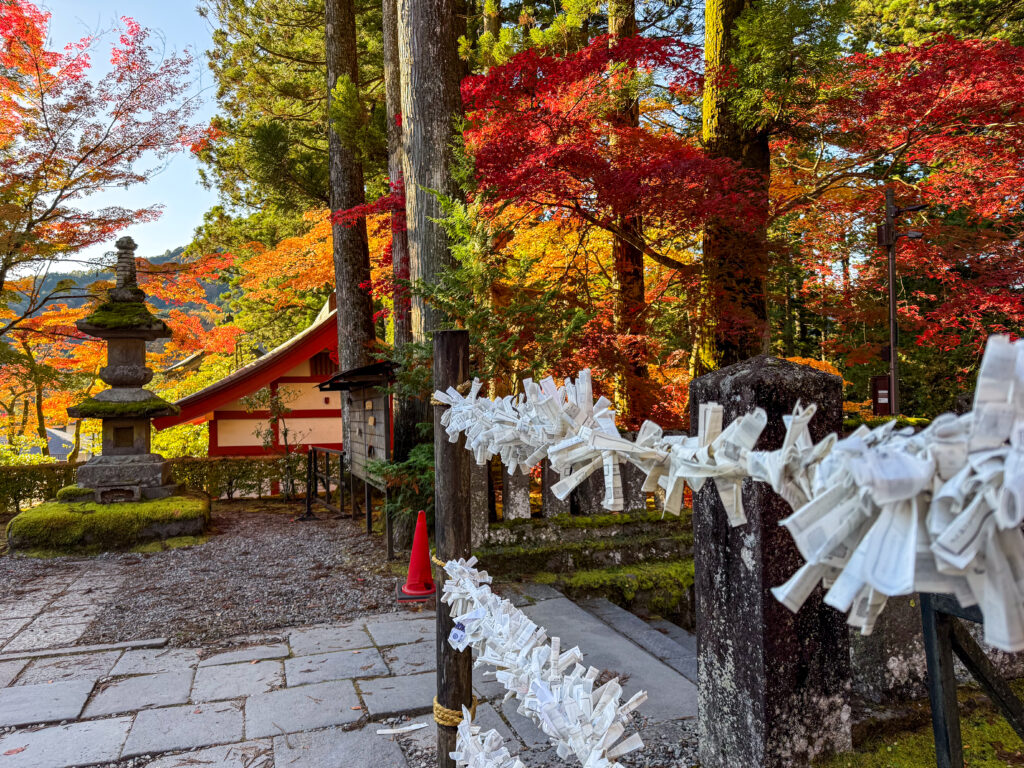
Nikko is home to incredible nature and UNESCO World Heritage temples and Shrines. It was my favourite stop in Japan, so I think it’s well worth your while. You can find my guide for2 Days in Nikko here to help better plan your visit.
Tokyo: 1 Night
Head back to Tokyo for your final night in Japan. It’s a great day to pick up any last-minute souvenirs or head to a different neighbourhood to explore something you missed.
If you want to relax, booking a Japanese Head Spa is a great way to wrap up your trip. I went to Ueno Okachimachi Head Spa, which was more local but fantastic. My friends went to Zen Ginza Headspa, which is more touristic but they loved it as well.
Otherwise, enjoy your time. Pack up, and relax before the long flight home.
When to Go to Japan
Japan is becoming a year-round destination. The places listed in this itinerary are quietest during January and February, but you’ll need to prepare for winter. Spring brings the crowds for flowers, summer is meant to be incredibly hot, and fall has the autumn leaves.
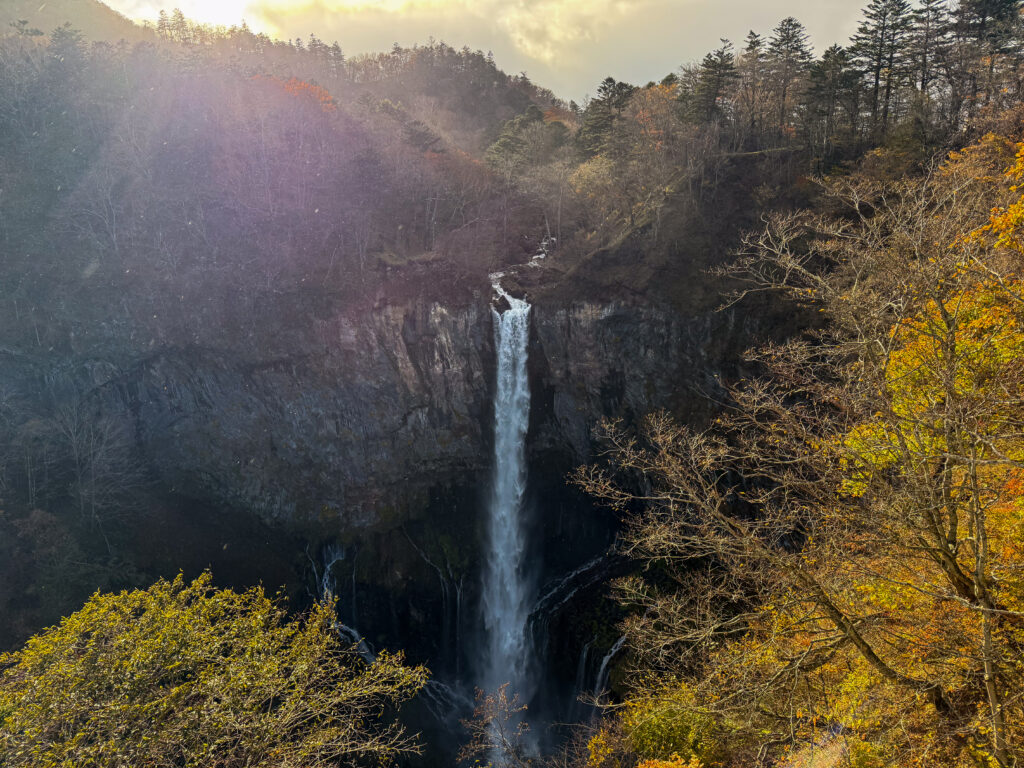
I visited right before peak foliage season (Last week of October into early November) and got beautiful colours in Nikko and a little bit elsewhere. Even though it wasn’t quite yet peak season, it was still very busy.
One thing to note is that over tourism is an issue in many parts of Japan. Every year is busier than the last so when you see videos and comments about ‘quiet’ spots in the top cities, take it with a grain of salt. I was unprepared for how busy some places, especially Kyoto, were.
What to Pack for Japan
With climate change and weather becoming so unpredictable, anticipate a mix of weather conditions. Typhoon season lasted longer when I visited so I had a lot of rain. I also had a couple of days that were 25- 30C but then snow one evening in Nikko. Layers are best, and either bring or buy an umbrella in Japan.
Comfortable walking shoes are a must- you will be walking A LOT. And since I recommended shipping luggage a couple of times, bring something you can use as an overnight bag.
One of the best things about Japan was that everywhere I stayed offered toothbrush and toothpaste, as well as quality shampoo, conditioner, and body wash so don’t worry about toiletries.
For women, one thing to note is that while mini-skirts and short shorts seem perfectly accessible, Japanese women always cover their chest and don’t show any cleavage. On a similar note, they keep to neutral tones rather than bright colours and don’t wear active wear (ie leggings) out in public. As a tourist, you are welcome to wear what you like. There are no rules about what to wear, even for temples and shrines, but sometimes it’s nice to blend in a bit. Especially if you are a woman travelling alone.
Lastly, it’s worth noting that Japan has a lot of restrictions on what most of us consider to be everyday medications. So, do your research in advance.
Final Tips for Japan
- English is not as widely spoken as you think; make sure to have Google Translate handy. I relied on it quite a bit.
- Cash is king in Japan. The ATMS at the 7-Elevens have the best conversion rates.
- Public transit is great, but can be very confusing. Sometimes you need special tickets in addition to what you may already have or your SUICA card. Visit help counters at stations to book tickets when needed. The Shinkansen especially is hard for foreigners to book online.
- Japan has a lot of cultural rules. No talking on public transit, no eating or drinking on the streets, and different protocol for praying at temples and shrines. Do some research in advance and pay attention to your surroundings to follow as others do.
- There are almost no street garbage cans in Japan. Bring a bag with you to throw out at the end of the day in your hotel.
- Public bathrooms are often free, easy to find, and clean. But they don’t always have soap, and very few have hand dryers. Bring hand sanitizer and have a handkerchief (sold everywhere) in your purse.
- Japan is incredibly safe, but, as always, be mindful of people and surroundings.
- Many hotels have coin-operated laundry machines. If your hotel doesn’t, there’s often a laundromat nearby and it’s much cheaper than having the hotel do it for you.
- Breakfast buffets in Japan are crazy, overwhelming, and can feel a bit like a battlefield. Skip paying for breakfast and grab something from a convenience store instead.
As I mentioned above, there’s a lot of Japan hype, and it can be easy to get overwhelmed. I’ve shared this 2-week Japan itinerary based on what I loved but, again, it’s just a suggestion. Do some research and plan the important things, but leave some space for you to discover and explore on your own as well.